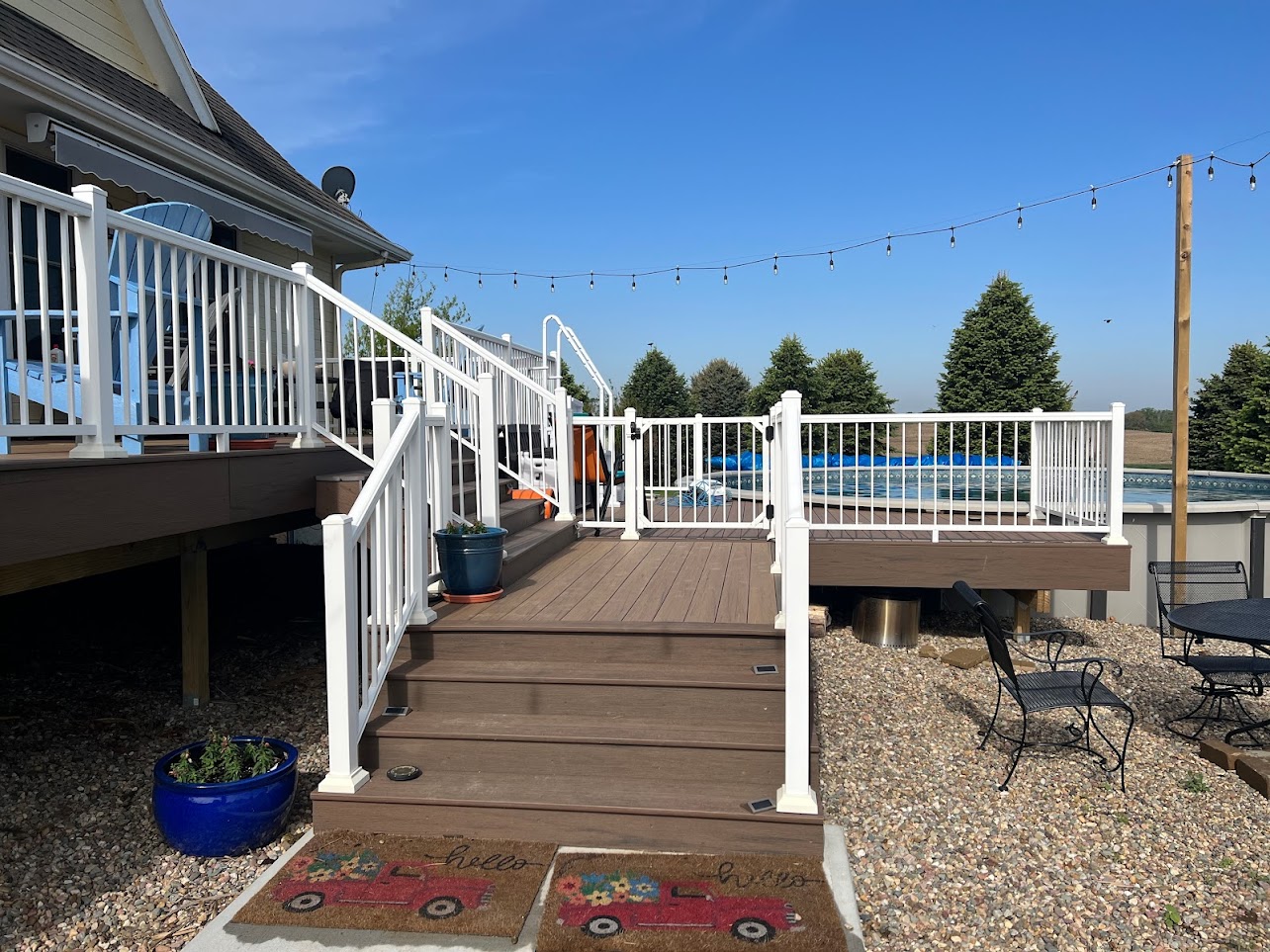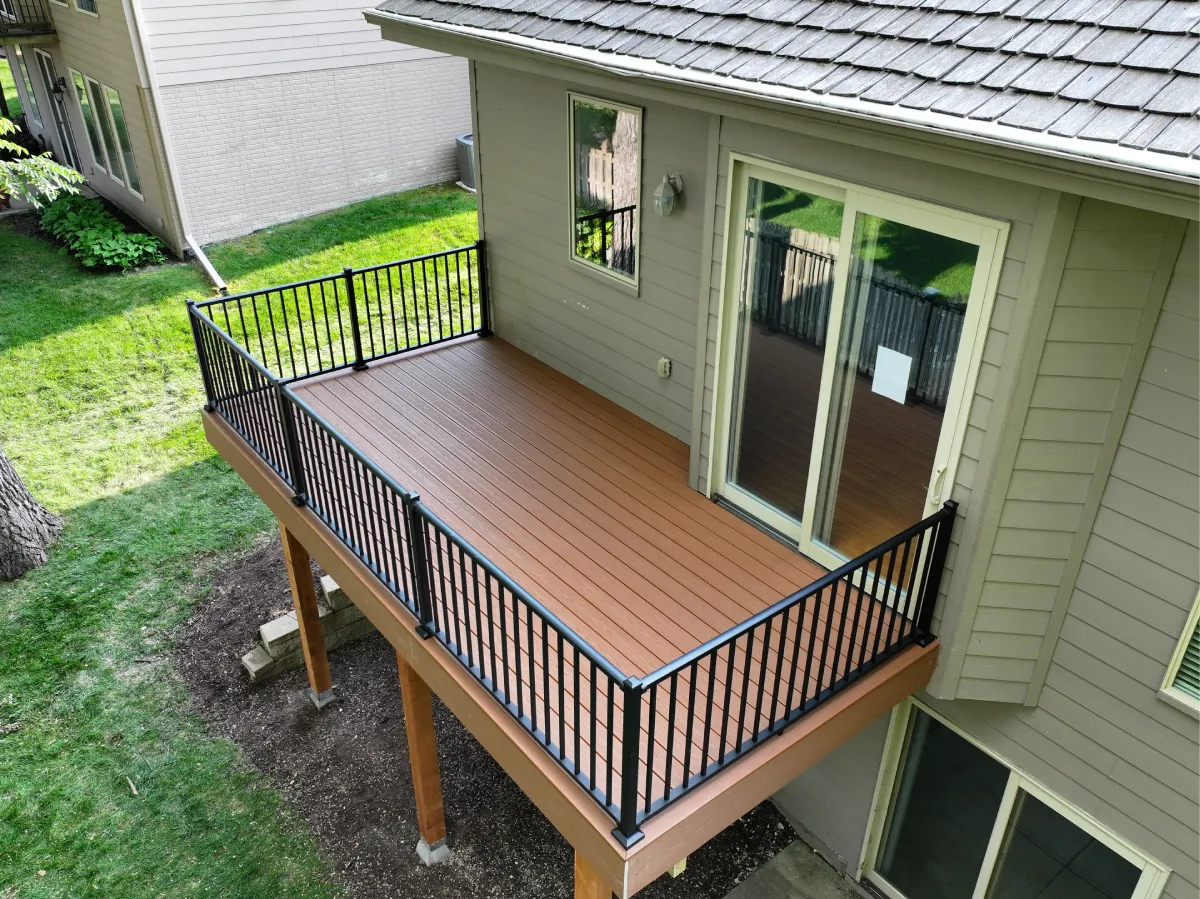




TL;DR: Today’s pressure-treated lumber is not identical to the treated wood used in many older residential decks, but that does not mean every newer board wears out sooner. Preservatives changed, and the species, grade, treatment level, installation, and upkeep all affect how a deck performs. The useful choice is not old wood versus new wood; it is the right material and construction for each part of your project.
You’ve probably heard someone say they don’t build things like they used to. With treated wood, there is a real change behind that line, but it is easy to draw the wrong conclusion from it. I would rather talk about the deck you’re planning than promise that a board from one decade will outlast a board from another.
How Residential Deck Lumber Changed After CCA
Older decks may contain wood treated with chromated copper arsenate, or CCA. The U.S. Environmental Protection Agency says manufacturers voluntarily stopped making CCA-treated wood for homeowner uses in December 2003. Other approved preservatives are used in today’s residential treated wood. That change is real; it does not prove the newer products are uniformly less durable.
You may have seen the study where CCA-treated posts stood for 50 years. Those were industrial posts in a ground-contact test, not the boards underfoot on a residential deck. I wouldn’t use that result to tell you how long a new deck surface in Nebraska will last.
Match the Treatment Tag to Each Deck Part
Pressure-treated wood is not one product for every job. The treatment level and intended use need to match where the wood goes. A post in ground contact faces different exposure than a board above the ground. The American Wood Protection Association explains how the end tag identifies the applicable use category; grade and treatment information should be checked rather than guessed from the color of the wood.
The construction matters too. Water management, fastening, wood movement, the connection to the house, and upkeep can change what happens to a deck long before a broad material label tells you much. Some checking and surface movement are normal for wood exposed to weather. A crack by itself is not proof that the treatment failed or that a deck is unsafe. A loose railing, movement at the house connection, or visibly deteriorating support deserves a closer look by a qualified professional.
Choose Treated Framing and Surface Boards Separately
A treated structural frame can be a sound choice when the material and design suit the application. Decking on top is a separate decision. If you want the look and feel of wood, talk through the specific species, maintenance, and expected movement. If your priority is less routine surface upkeep, compare the available composite and PVC lines, including their price and care requirements. No surface is maintenance-free or immune to a poorly built frame.
We use treated lumber where it fits the structural plan. If you’re weighing it as a surface material, we’ll compare that specific board with other decking options instead of choosing by habit. Bring us the product you are considering and tell us how you want to use the deck; we’ll talk through the options we can actually offer for your project.