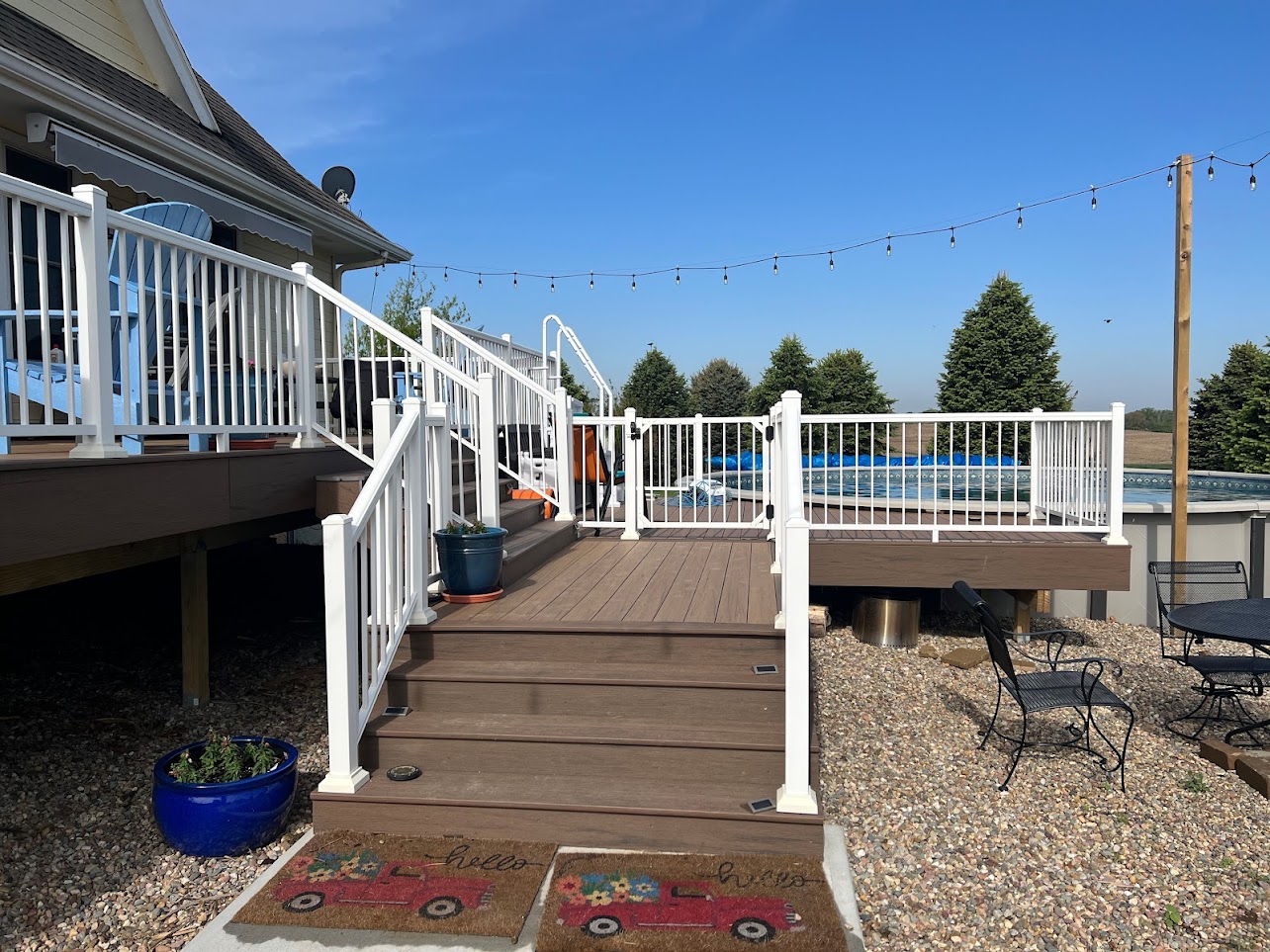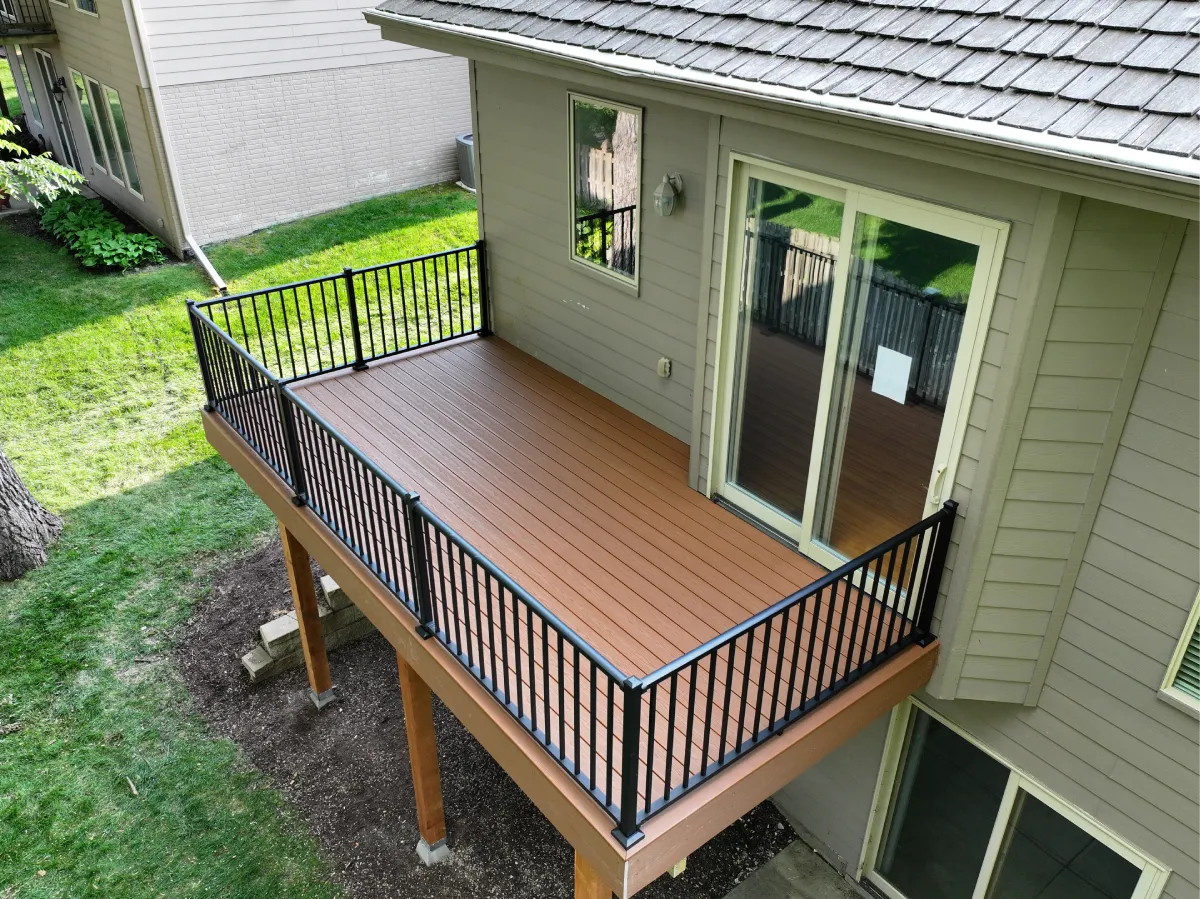



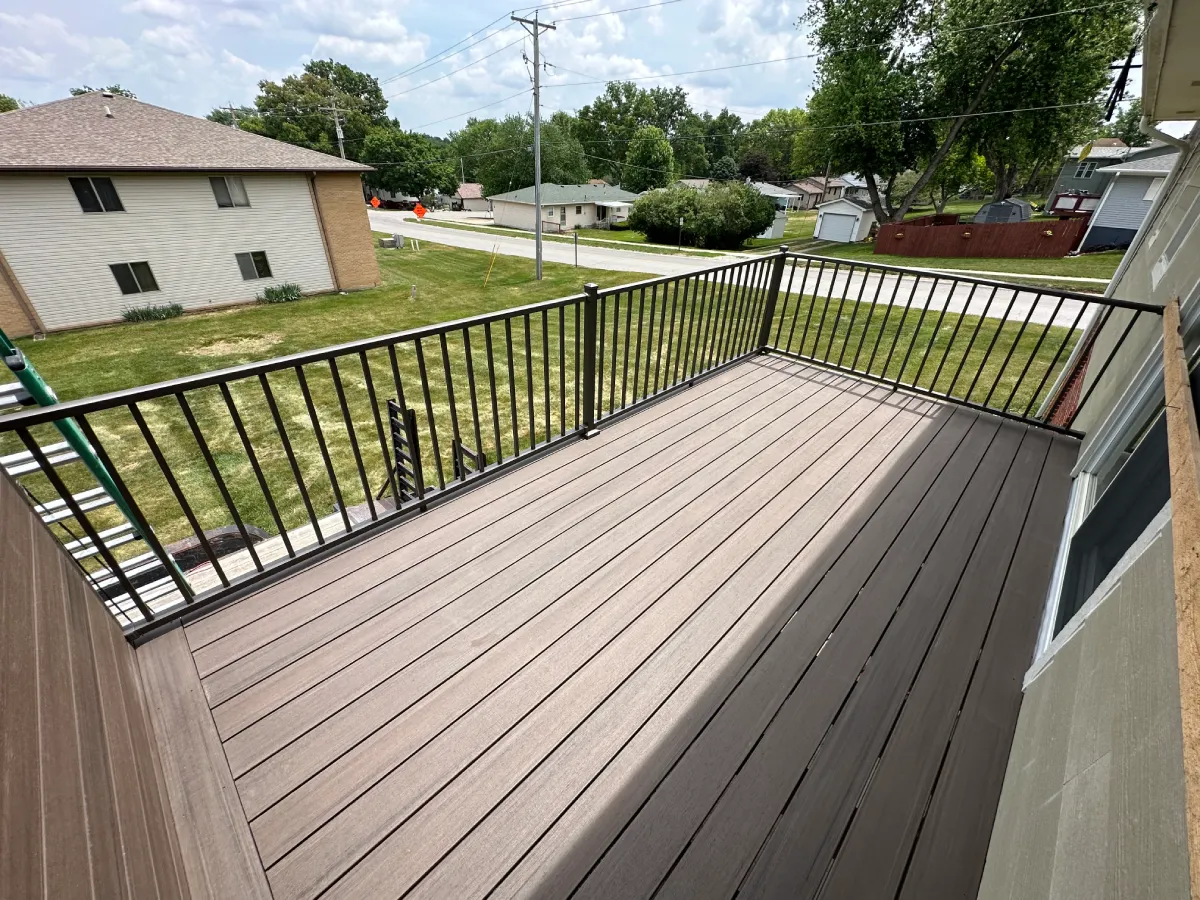
Nebraska weather punishes outdoor wood. Omaha summers push past 95 degrees with brutal humidity, winters drop well below freezing with heavy snow load, and the spring storm season delivers hail, wind, and driving rain in equal measure. A deck built from the wrong wood species will warp, crack, or rot years before its expected lifespan, leaving homeowners with expensive repairs and a structure that no longer feels safe to use.
Choosing the right species for your wood decking is the most important decision in the entire project. This guide walks through the wood species that perform best in Omaha conditions, how each handles Nebraska weather, and what to look for when planning your build.
Why Wood Choice Matters in Omaha
Omaha sits in a climate zone with some of the most extreme temperature swings in the country. Wood expands when wet, contracts when dry, and cycles through this movement constantly between freezing winters and humid summers. Species that handle this stress well last decades, while poor choices fail in less than ten years on a typical residential build.
The right wood decking material also resists insects, UV damage, and the moisture intrusion that causes rot from the inside out. Matching the species to local conditions protects the investment, reduces maintenance over time, and keeps the deck structurally sound through every season Nebraska throws at it without fail.
Cedar Softwood
Cedar is one of the most popular softwood choices for wood decking in Omaha and across the Midwest. The wood contains natural oils and tannins that resist rot, repel insects, and slow the damage that destroys untreated lumber within a few seasons. Cedar also takes stain and sealer beautifully, which gives homeowners full control over the final color.
Cedar remains affordable, widely available through local suppliers, and stays dimensionally stable through the temperature swings of a Nebraska winter. The wood develops a soft silvery-gray patina if left unsealed, which many homeowners actually prefer for a natural, rustic look that blends seamlessly into a wooded or landscaped backyard environment.
Redwood Softwood
Redwood offers similar performance to cedar with a deeper, richer color tone that many homeowners prefer for higher-end residential projects. The wood contains the same natural preservatives that resist rot and insect damage, and it stays stable through wet-dry cycles that destroy lesser softwoods within a few short years.
Redwood typically costs more than cedar but delivers a slightly tighter grain and a more uniform appearance across boards. Both wood decking species perform exceptionally well in Omaha conditions when properly installed, sealed, and maintained on a regular schedule that matches the demanding climate Nebraska delivers throughout the year.
Exotic Hardwoods for Premium Builds
Exotic hardwoods like Ipe, Tigerwood, and Cumaru sit at the top of the wood decking market for performance and longevity. These dense tropical species resist rot, insects, fire, and the warping that affects softer woods, often lasting 40 to 75 years with minimal maintenance even in harsh climates like Nebraska.
The upfront cost runs significantly higher than cedar or redwood, and the wood requires specialized fasteners due to its density. Most homeowners who choose exotic hardwood see it as a lifetime investment rather than a budget project. The deep, rich color and tight grain pattern also deliver a finish quality no softwood can match.
How Nebraska Weather Affects Each Species
Omaha receives roughly 30 inches of rain and 25 inches of snow per year, paired with humidity that pushes well past 70 percent during peak summer months. Softwoods like cedar and redwood handle this moisture cycle through natural oils that resist water penetration and slow the rot process that destroys unprotected wood quickly.
Exotic hardwoods perform best of all because their density blocks moisture from penetrating the wood fiber in the first place. Freeze-thaw cycles affect every wood species to some degree, but the harder and oilier the wood, the less movement you will see at the joints, fasteners, and board edges over the life of the structure.
Maintenance Requirements by Wood Type
Cedar and redwood need sealing every two to three years to maintain their original color, or they can be left to weather naturally to a silvery gray. Regular cleaning and inspection extend the life of the surface considerably and catch small issues like loose fasteners or surface cracking before they become structural problems.
Exotic hardwoods need very little maintenance to remain structurally sound, though many owners choose to oil them annually to preserve the deep original color. Skipping the oil simply allows the wood to gray naturally, similar to cedar, without any loss of strength or longevity in the structure underneath your feet over time.
Working With a Local Wood Decking Specialist
The best wood species in the world still fails if installed by a crew that does not understand Nebraska conditions. Proper joist spacing, correct fastener selection, and careful flashing at the ledger board all matter as much as the wood itself. A qualified local contractor handles these details and matches the material to the specific microclimate of your lot.
For expert wood decking installation in Omaha and the surrounding metro area, contact Wymore Decks & Outdoor Living at (402) 290-3715 to schedule a design consultation and choose the right species for your build.